



























OPEC+ signals continued output restraint as oil prices firm
OPEC+ is expected to keep its pause on planned oil output increases for March when key ministers meet on Sunday, according to people familiar with the discussions, as crude prices move above the $70-a-barrel mark amid heightened geopolitical risk in the Middle East. Brent crude has climbed to nearly $72 a barrel, the highest level since August, reversing earlier expectations that ample supply would weigh on prices […] The article OPEC+ signals continued output restraint as oil prices firm appeared first on Arabian Post.
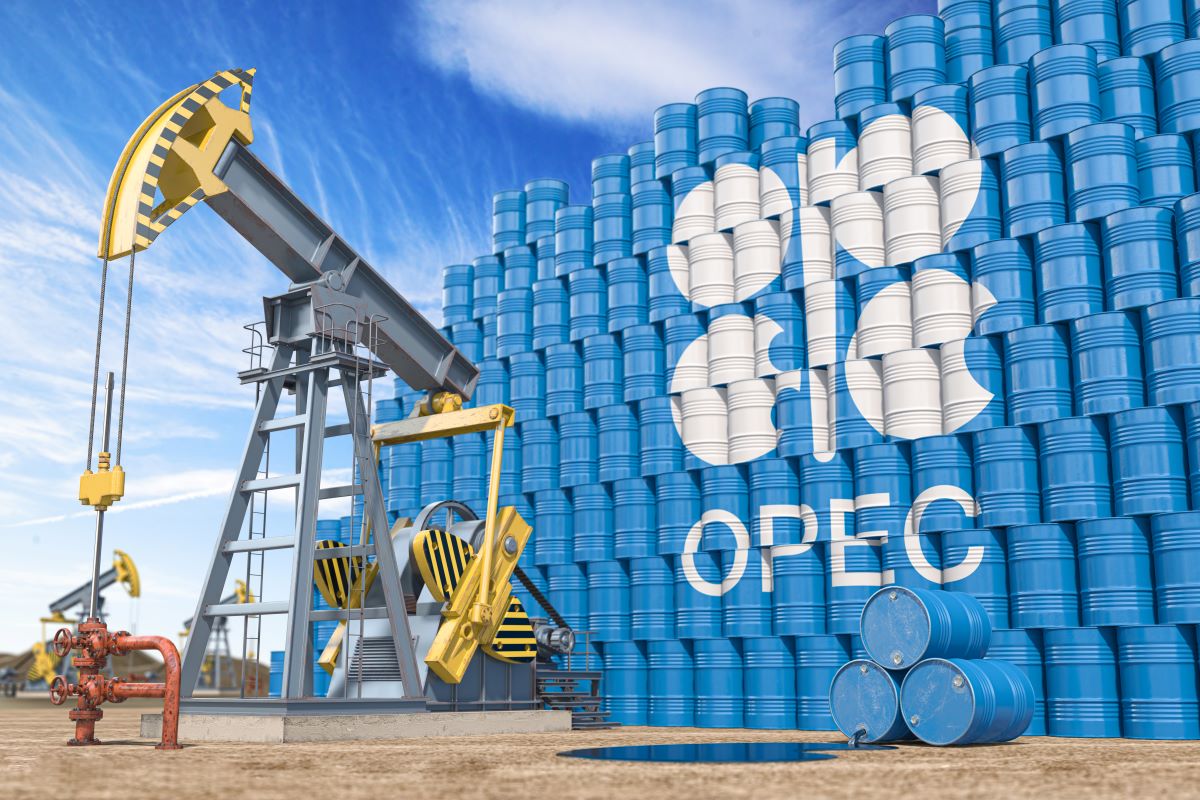
OPEC+ is expected to keep its pause on planned oil output increases for March when key ministers meet on Sunday, according to people familiar with the discussions, as crude prices move above the $70-a-barrel mark amid heightened geopolitical risk in the Middle East.
Brent crude has climbed to nearly $72 a barrel, the highest level since August, reversing earlier expectations that ample supply would weigh on prices through the northern hemisphere winter. Market sentiment has shifted in part because of concerns that the United States could take military action against Iran, a member of the producer group, potentially disrupting flows in a region that accounts for a significant share of global supply.
The meeting involves eight core members of the wider OPEC+ alliance that together pump roughly half of the world’s oil. Saudi Arabia and Russia, the group’s two largest producers, will be joined by the United Arab Emirates, Kazakhstan, Kuwait, Iraq, Algeria and Oman to review production policy for the early months of 2026.
These producers had agreed last year to begin unwinding earlier cuts by lifting production quotas by about 2.9 million barrels per day between April and December 2025, equivalent to around 3% of global demand. The phased increases were designed to respond to expectations of stronger consumption while avoiding a sudden flood of barrels into the market.
Plans for further rises in January, February and March 2026 were later put on hold after demand indicators softened during the winter period, when fuel consumption typically dips. The pause reflected caution within the group that an oversupplied market could quickly erode prices, undermining revenues for oil-dependent economies.
Delegates say that caution remains intact despite the latest price rally. While crude has strengthened, ministers are wary of overreacting to geopolitical headlines that may not translate into sustained supply losses. Any move to accelerate output increases could add pressure if demand growth fails to meet expectations in the second quarter.
Saudi Arabia, which has played a leading role in enforcing discipline within OPEC+, has repeatedly stressed the need for stability and predictability. Officials in the kingdom have indicated that policy decisions will continue to be guided by market fundamentals rather than short-term price movements. Russia has taken a similar line, emphasising coordination within the alliance as a buffer against volatility.
The United Arab Emirates, which has invested heavily to expand production capacity, has supported gradual increases under the agreed framework but has also backed the temporary freeze, signalling alignment with the group’s broader strategy. Other members, including Iraq and Kazakhstan, have faced scrutiny in the past over compliance, making consensus a central objective of the talks.
Analysts note that the balance between supply management and geopolitical risk is becoming more delicate. Tensions involving Iran raise the prospect of disruptions through sanctions enforcement or conflict, but actual export volumes have so far remained resilient. Any escalation that constrains shipments could tighten the market quickly, particularly if spare capacity is limited.
At the same time, demand growth remains uneven. Consumption in major economies has been affected by slower industrial activity and efficiency gains, while emerging markets continue to drive incremental growth. This mixed picture reinforces the incentive for OPEC+ to move cautiously and retain flexibility.
The article OPEC+ signals continued output restraint as oil prices firm appeared first on Arabian Post.
What's Your Reaction?