

























Donald Trump’s tariffs lose their sting
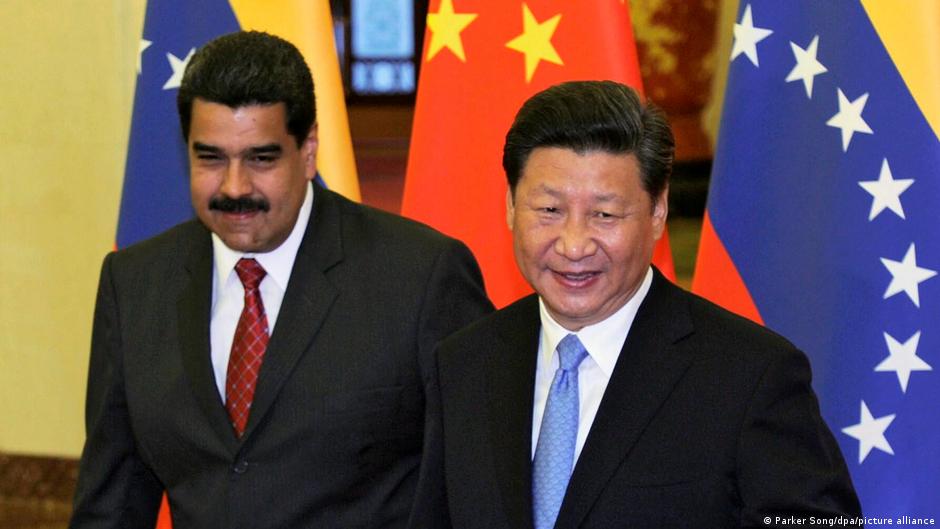
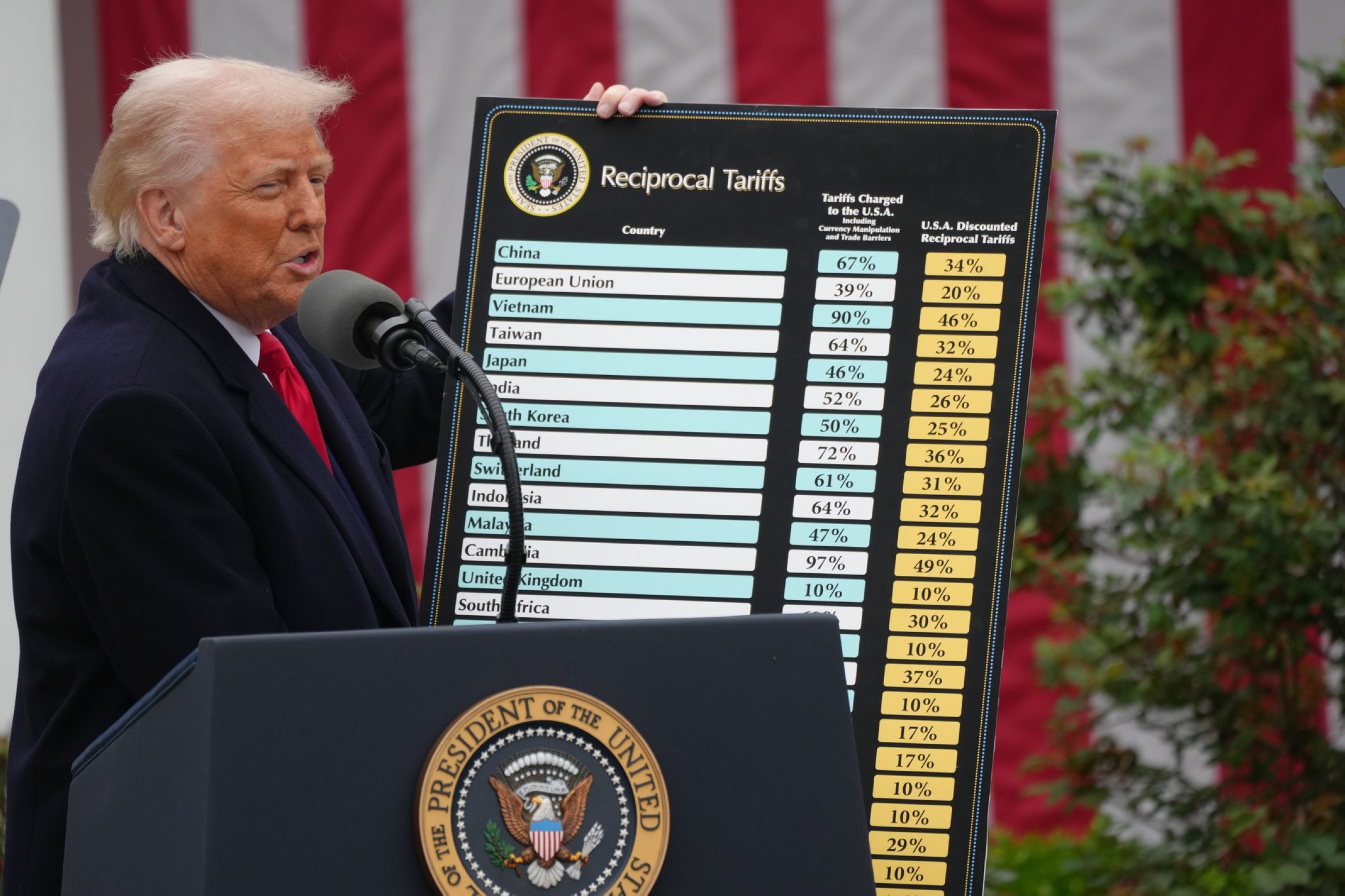
It seems that US President Donald Trump’s tariff onslaught has not really battered its trading partners, either in Canada, Latin America, European Union (EU), India and China.The others have found ways of ducking the after-effects of Trump’s punitive tariffs. China has ended 2025 with a trade surplus of USD 1.2 trillion. EU has concluded strategic free trade agreements with Mercosur, comprising Argentina, Brazil, Paraguay and Uruguay, and with India. There have also been big trade deals between Canada and China and the United Kingdom and China.This does not mean that the US is completely cut off from the global trade networks. The US remains a big player, but it cannot bully the other countries as Trump had intended to follow the American line. Experts are describing the trade pacts of EU, Canada, UK as a way of de-risking US that its America’s partners would not lose out because of Trump’s hostile trade policies. Alexander George, senior director for geopolitics at the Tony Blair Institute for Global Change (TBI), explained the change that is taking place in the global trade networks: “Trade is probably one of the areas where middle powers have some of the greatest agency in choices. Look at the European Union. Suddenly it (Trump’s trade threats) focused minds and they got things done.”This is a reference to EU’s recent trade pacts with Mercosur and India. Interestingly, trade flows of the members of G7, the club of rich economies, with the US have declined ever since the return of Trump to the presidency last January. Exports of the US to Italy and UK have shown an increase, which is reflected in the relatively greater trade volumes of these two countries and the US.World Trade Organisation (WTO) Director-General Ngozi Okonjo-Iweala has made the apt observation about the new development. She said, “You kill two birds with one stone. You create jobs elsewhere by investing, you build global resilience because you don’t cluster too much production in one place.”Trade diversification forced by Trump’s belligerence is perhaps the unintended fallout. There was greater trade between China and the US, between EU and the US, and even between EU and China. But now everyone is looking for other attractive investment destinations. China’s exports have grown to south-east Asian countries because of US tariffs. The EU trade pacts would mean that South American countries and India will witness an increase in jobs.Mujtaba Rehman, managing director for Europe at Eurasia Group consultancy says, “Diversification on the trade side is absolutely happening and continuing.” He is not sure whether Europe will remain at the centre of global trade in five years’ time. The possible shift is away from the traditional advanced economy zones of Europe and North America, and towards Asia, South America.In his bid to flex the economic muscle of America, Trump has unwittingly triggered a trade revolution that could end up marginalizing the West. He was trying to re-establish American and Western economic supremacy in the world. What is however happening is the weakening of Western hold on global trade.It would be hasty to declare the end of Western dominance in the global economy because the US still leads in technology, especially in the frontline semiconductor industry. There seems to a change in the trend, and it will take many years before a definite shift in the pattern can be seen.There is however no doubt that Trump had miscalculated the strength of American economy in the global context. Other markets and other major players have emerged. The EU, Canada and the UK have recognized the change. It came as a result of Trump’s tariff tantrums.
It seems that US President Donald Trump’s tariff onslaught has not really battered its trading partners, either in Canada, Latin America, European Union (EU), India and China.The others have found ways of ducking the after-effects of Trump’s punitive tariffs. China has ended 2025 with a trade surplus of USD 1.2 trillion. EU has concluded strategic free trade agreements with Mercosur, comprising Argentina, Brazil, Paraguay and Uruguay, and with India. There have also been big trade deals between Canada and China and the United Kingdom and China.This does not mean that the US is completely cut off from the global trade networks. The US remains a big player, but it cannot bully the other countries as Trump had intended to follow the American line. Experts are describing the trade pacts of EU, Canada, UK as a way of de-risking US that its America’s partners would not lose out because of Trump’s hostile trade policies. Alexander George, senior director for geopolitics at the Tony Blair Institute for Global Change (TBI), explained the change that is taking place in the global trade networks: “Trade is probably one of the areas where middle powers have some of the greatest agency in choices. Look at the European Union. Suddenly it (Trump’s trade threats) focused minds and they got things done.”This is a reference to EU’s recent trade pacts with Mercosur and India. Interestingly, trade flows of the members of G7, the club of rich economies, with the US have declined ever since the return of Trump to the presidency last January. Exports of the US to Italy and UK have shown an increase, which is reflected in the relatively greater trade volumes of these two countries and the US.World Trade Organisation (WTO) Director-General Ngozi Okonjo-Iweala has made the apt observation about the new development. She said, “You kill two birds with one stone. You create jobs elsewhere by investing, you build global resilience because you don’t cluster too much production in one place.”Trade diversification forced by Trump’s belligerence is perhaps the unintended fallout. There was greater trade between China and the US, between EU and the US, and even between EU and China. But now everyone is looking for other attractive investment destinations. China’s exports have grown to south-east Asian countries because of US tariffs. The EU trade pacts would mean that South American countries and India will witness an increase in jobs.Mujtaba Rehman, managing director for Europe at Eurasia Group consultancy says, “Diversification on the trade side is absolutely happening and continuing.” He is not sure whether Europe will remain at the centre of global trade in five years’ time. The possible shift is away from the traditional advanced economy zones of Europe and North America, and towards Asia, South America.In his bid to flex the economic muscle of America, Trump has unwittingly triggered a trade revolution that could end up marginalizing the West. He was trying to re-establish American and Western economic supremacy in the world. What is however happening is the weakening of Western hold on global trade.It would be hasty to declare the end of Western dominance in the global economy because the US still leads in technology, especially in the frontline semiconductor industry. There seems to a change in the trend, and it will take many years before a definite shift in the pattern can be seen.There is however no doubt that Trump had miscalculated the strength of American economy in the global context. Other markets and other major players have emerged. The EU, Canada and the UK have recognized the change. It came as a result of Trump’s tariff tantrums.
What's Your Reaction?








Economist Admin
Admin managing news updates, RSS feed curation, and PR content publishing. Focused on timely, accurate, and impactful information delivery.