
















Trump could extract deal favouring US in Iran talks
After threatening Tehran by assembling a massive naval task force in the Gulf, US President Donald Trump has urged negotiations on a new deal on Iran's nuclear programme. In response, Iranian Foreign Minister Abbas Araghchi announced that Tehran is ready for dialogue with the US while holding talks in Turkey last Friday.Trump's call for talks is ironic because he is primarily to blame for this crisis. In 2018 he pulled the US out of the successful 2015 nuclear deal, the Joint Comprehensive Plan of Action (JCPOA) concluded by the Obama administration and reimposed punitive sanctions which have isolated Iran, crippled Iran’s economy and weakened Iran's currency, prompting Iranians to protest the rising cost of food and essential supplies.The JCPOA limited uranium enrichment to 3.67 per cent for power plants, fixed stockpiles of low enriched uranium at 300 kilograms and specified the type of centrifuges for enrichment. The International Atomic Energy Agency (IAEA) was charged with monitoring the deal. The JCPOA, Barack Obama’s key foreign policy achievement, took effect in early 2016 and was successful. After Trump withdrew, Iran stuck to the deal until May 2019 as Tehran expected the other five signatories to the deal — France, Germany, Britain, Russia, and China — would continue to abide by the JCPOA.After they were threatened by Trump with secondary sanctions if they broke ranks with the US, Iran began violating the deal. Iran enriched uranium to 60 per cent (short of the 90 per cent needed for nuclear weapons) and grew its stockpile to 440kg. Fitful talks did not bear fruit. In June, Israel and the US bombed Iran’s three main nuclear research facilities at Fordow, Isfahan and Nantaz.It has been reported that Iran has not enriched uranium since then. As a result of the strikes, the 440kg of enriched uranium went missing. Meanwhile, Iran is rebuilding its nuclear infrastructure and increasing its ballistic missile arsenal for defensive purposes.In late December 2025, the IAEA inspected the nuclear facilities which were not bombed by Israel and the US but the agency has been banned from monitoring Nantaz, Fordow and Isfahan. Consequently, the IAEA has been unable to access remaining uranium stocks.Iran is in a weak position to resist Trump who is certain to extract a deal favourable to the US if negotiations take place. On the nuclear file, Trump wants Iran to cease domestic uranium enrichment, export its stockpile to a third country, and warehouse its centrifuges.On the regional level, with the fall of the Assad government in Syria, Iran has lost a key ally. Trump demands Iran cease its support for Hamas in Gaza, Hizbollah in Lebanon, pro-Iranian militias in Iraq, and the Houthis in Yemen. Israel has corralled Hamas and decapitated and seriously wounded Hizbollah which is under strong pressure to disarm from Beirut, Washington, and France.Iran linked Iraqi militias have had to give primacy to their country's ties to the US while former pro-Iran Prime Minister Nouri al-Maliki has been nominated to return to office by the Shia coalition despite US objections. Although battered by US and Israeli attacks, the Houthis remain active and continue to threaten shipping through the Red Sea.Around 50 per cent of Trump voters back military intervention in Iran and that figure rose to 61 per cent of respondents who are "Make America Great Again" (MAGA) Republican Trump supporters. These hardliners seek regime change and favour using air strikes on the Iranian Revolutionary Guards Corps (IRGC) and key institutions to promote a coup.However, air war alone is unlikely to achieve this objective. For this to take place the IRGC must defect or split and there must be a unified opposition in place to assume power. Neither are present. The IRGC has exhibited no signs of dissatisfaction or dissent while January's mass protests against mismanagement, corruption and the collapse of the currency were put down with an iron fist.The external opposition is fractured among monarchist, republican, democratic, communist, and other factions. The Shah's regime fell in 1979 after a brief battle at Tehran's airport between pro- and anti-regime units and opposition political leader Ayatollah Ruhollah Khomeini, then based near Paris, had prepared the ground within Iran for a takeover. Once in charge, his faction eliminated competitors.Trump has demonstrated uncharacteristic wisdom by urging dialogue as token air strikes are unlikely to achieve regime change and could prompt nationalistic Iranians to rally around a revolutionary regime which has cultivated legitimacy by holding periodic elections for parliament and president.The International Crisis group has urged Washington to offer the regime major economic incentives "in exchange for meaningful political change in Iran." This could compel a regime dominated by octogenarian Ali Khamenei and his entourage to initiate essential reforms which could benefit disaffected middle class and poor Irani
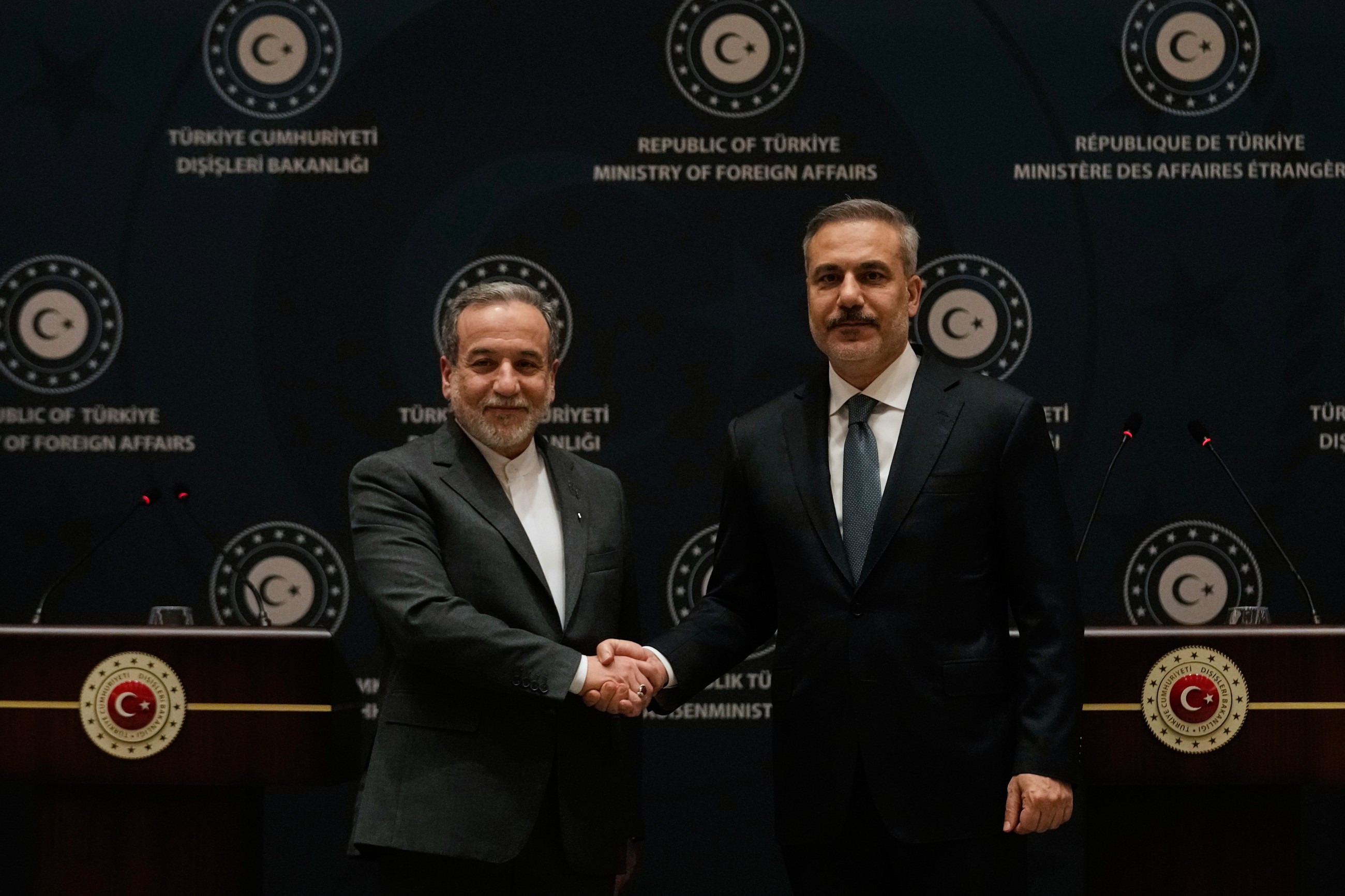
After threatening Tehran by assembling a massive naval task force in the Gulf, US President Donald Trump has urged negotiations on a new deal on Iran's nuclear programme. In response, Iranian Foreign Minister Abbas Araghchi announced that Tehran is ready for dialogue with the US while holding talks in Turkey last Friday.Trump's call for talks is ironic because he is primarily to blame for this crisis. In 2018 he pulled the US out of the successful 2015 nuclear deal, the Joint Comprehensive Plan of Action (JCPOA) concluded by the Obama administration and reimposed punitive sanctions which have isolated Iran, crippled Iran’s economy and weakened Iran's currency, prompting Iranians to protest the rising cost of food and essential supplies.The JCPOA limited uranium enrichment to 3.67 per cent for power plants, fixed stockpiles of low enriched uranium at 300 kilograms and specified the type of centrifuges for enrichment. The International Atomic Energy Agency (IAEA) was charged with monitoring the deal. The JCPOA, Barack Obama’s key foreign policy achievement, took effect in early 2016 and was successful. After Trump withdrew, Iran stuck to the deal until May 2019 as Tehran expected the other five signatories to the deal — France, Germany, Britain, Russia, and China — would continue to abide by the JCPOA.After they were threatened by Trump with secondary sanctions if they broke ranks with the US, Iran began violating the deal. Iran enriched uranium to 60 per cent (short of the 90 per cent needed for nuclear weapons) and grew its stockpile to 440kg. Fitful talks did not bear fruit. In June, Israel and the US bombed Iran’s three main nuclear research facilities at Fordow, Isfahan and Nantaz.It has been reported that Iran has not enriched uranium since then. As a result of the strikes, the 440kg of enriched uranium went missing. Meanwhile, Iran is rebuilding its nuclear infrastructure and increasing its ballistic missile arsenal for defensive purposes.In late December 2025, the IAEA inspected the nuclear facilities which were not bombed by Israel and the US but the agency has been banned from monitoring Nantaz, Fordow and Isfahan. Consequently, the IAEA has been unable to access remaining uranium stocks.Iran is in a weak position to resist Trump who is certain to extract a deal favourable to the US if negotiations take place. On the nuclear file, Trump wants Iran to cease domestic uranium enrichment, export its stockpile to a third country, and warehouse its centrifuges.On the regional level, with the fall of the Assad government in Syria, Iran has lost a key ally. Trump demands Iran cease its support for Hamas in Gaza, Hizbollah in Lebanon, pro-Iranian militias in Iraq, and the Houthis in Yemen. Israel has corralled Hamas and decapitated and seriously wounded Hizbollah which is under strong pressure to disarm from Beirut, Washington, and France.Iran linked Iraqi militias have had to give primacy to their country's ties to the US while former pro-Iran Prime Minister Nouri al-Maliki has been nominated to return to office by the Shia coalition despite US objections. Although battered by US and Israeli attacks, the Houthis remain active and continue to threaten shipping through the Red Sea.Around 50 per cent of Trump voters back military intervention in Iran and that figure rose to 61 per cent of respondents who are "Make America Great Again" (MAGA) Republican Trump supporters. These hardliners seek regime change and favour using air strikes on the Iranian Revolutionary Guards Corps (IRGC) and key institutions to promote a coup.However, air war alone is unlikely to achieve this objective. For this to take place the IRGC must defect or split and there must be a unified opposition in place to assume power. Neither are present. The IRGC has exhibited no signs of dissatisfaction or dissent while January's mass protests against mismanagement, corruption and the collapse of the currency were put down with an iron fist.The external opposition is fractured among monarchist, republican, democratic, communist, and other factions. The Shah's regime fell in 1979 after a brief battle at Tehran's airport between pro- and anti-regime units and opposition political leader Ayatollah Ruhollah Khomeini, then based near Paris, had prepared the ground within Iran for a takeover. Once in charge, his faction eliminated competitors.Trump has demonstrated uncharacteristic wisdom by urging dialogue as token air strikes are unlikely to achieve regime change and could prompt nationalistic Iranians to rally around a revolutionary regime which has cultivated legitimacy by holding periodic elections for parliament and president.The International Crisis group has urged Washington to offer the regime major economic incentives "in exchange for meaningful political change in Iran." This could compel a regime dominated by octogenarian Ali Khamenei and his entourage to initiate essential reforms which could benefit disaffected middle class and poor Iranians and discourage them from protesting.If, instead, the government continues to rely on its current policy of repression and stifling the internal opposition, the result could be collapse from within, chaos and anarchy and ultimate seizure of power by the Revolutionary Guards Corps if it survives.
What's Your Reaction?








Economist Admin
Admin managing news updates, RSS feed curation, and PR content publishing. Focused on timely, accurate, and impactful information delivery.