























Dubai plans fully robot-built villa
Dubai has unveiled plans to construct what officials describe as the world’s first villa assembled entirely by robots, marking a sharp acceleration in the city’s push to industrialise construction and reduce reliance on manual labour. The pilot project, scheduled to rise at Expo City Dubai, will test whether fully automated systems can deliver a complete residential unit from foundation to finish without on-site human builders. Authorities say […] The article Dubai plans fully robot-built villa appeared first on Arabian Post.

Authorities say robotic arms, autonomous vehicles and AI-guided systems will handle excavation, structural assembly, electrical and plumbing installation, and interior finishing. Oversight will remain human-led at the design, safety and compliance stages, but the physical build is intended to be end-to-end automated. The initiative is positioned as a response to labour constraints, rising construction costs and the need to shorten project timelines in a market where demand for housing continues to grow.
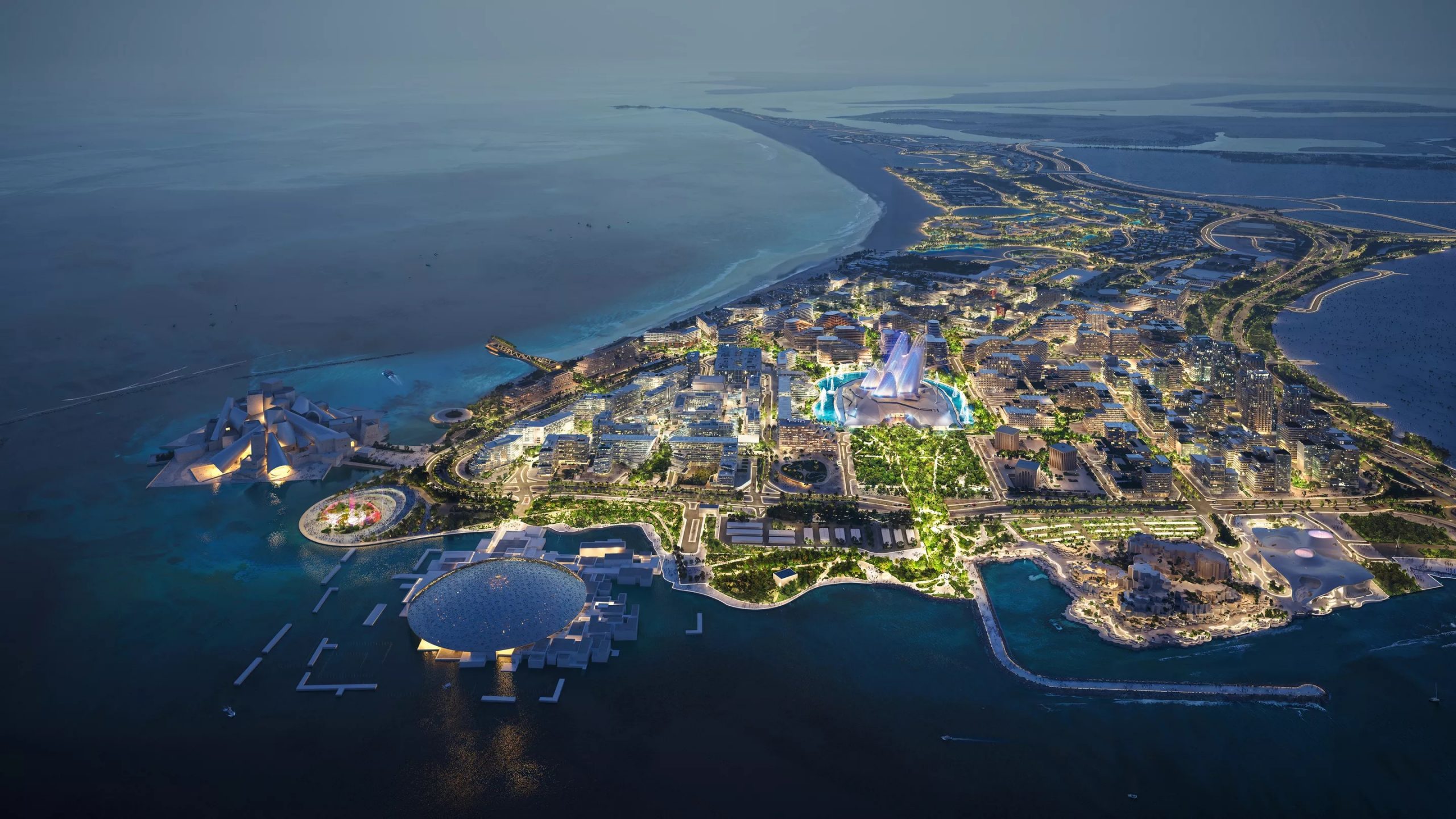
The project sits within a broader industrial strategy that aims to shift a substantial share of construction activity away from traditional sites and into controlled factory environments. Under what officials have termed a “70–70” approach, the city is targeting a transition by 2030 in which the majority of buildings are manufactured off-site, with automation accounting for a similarly large proportion of the process. Expo City Dubai has been chosen as the testing ground because of its existing smart-infrastructure backbone and its role as a living laboratory for urban technologies.
Dubai’s leadership has for several years promoted construction automation as a pillar of economic diversification and productivity gains. Earlier policies encouraged the use of 3D printing and modular techniques, but the proposed villa moves further by combining multiple robotic systems into a single coordinated build. Engineers involved in the planning say the aim is not just speed but consistency, with machines expected to deliver tighter tolerances and lower material waste than conventional methods.
Early modelling by project partners suggests that construction time for a standard villa could be cut by more than half once systems are scaled, with significant reductions in workplace accidents. Material efficiency is another selling point, as automated fabrication allows components to be produced to exact specifications, limiting offcuts and rework. Officials also argue that factory-based construction could help stabilise costs by insulating projects from labour market volatility.
The announcement has drawn close attention from global property developers and construction firms, many of which are grappling with worker shortages and stricter safety and sustainability standards. Industry analysts note that while robotics is already embedded in manufacturing, construction has lagged because of its fragmented workflows and the bespoke nature of buildings. A fully robot-built villa, even as a pilot, would signal that those barriers are beginning to fall.
Scepticism remains among some professionals, particularly around adaptability on complex sites and the long-term economics of high-capital automation. Architects caution that design flexibility must not be sacrificed for efficiency, while contractors point out that maintenance of advanced robotics requires specialised skills. Regulators will also need to ensure that building codes, liability frameworks and insurance models keep pace with new methods.
Officials acknowledge these challenges and frame the Expo City project as an experiment rather than an immediate template for mass housing. Data from the build will be used to refine standards, assess lifecycle costs and determine which elements of construction are best suited to full automation. Training programmes are expected to focus on upskilling engineers and technicians to manage and maintain robotic systems rather than replace the workforce outright.
The article Dubai plans fully robot-built villa appeared first on Arabian Post.
What's Your Reaction?