
























Gold seen climbing towards $6,300 by 2026
Arabian Post Staff -Dubai Gold prices are projected to climb to $6,300 an ounce by the end of 2026 as sustained buying by central banks and steady investor demand reinforce a longer-running shift away from paper assets, according to fresh market forecasts that underline the metal’s renewed strategic role in global portfolios. The outlook, set out by J. P. Morgan in a client note, points to central […] The article Gold seen climbing towards $6,300 by 2026 appeared first on Arabian Post.
Arabian Post Staff -Dubai

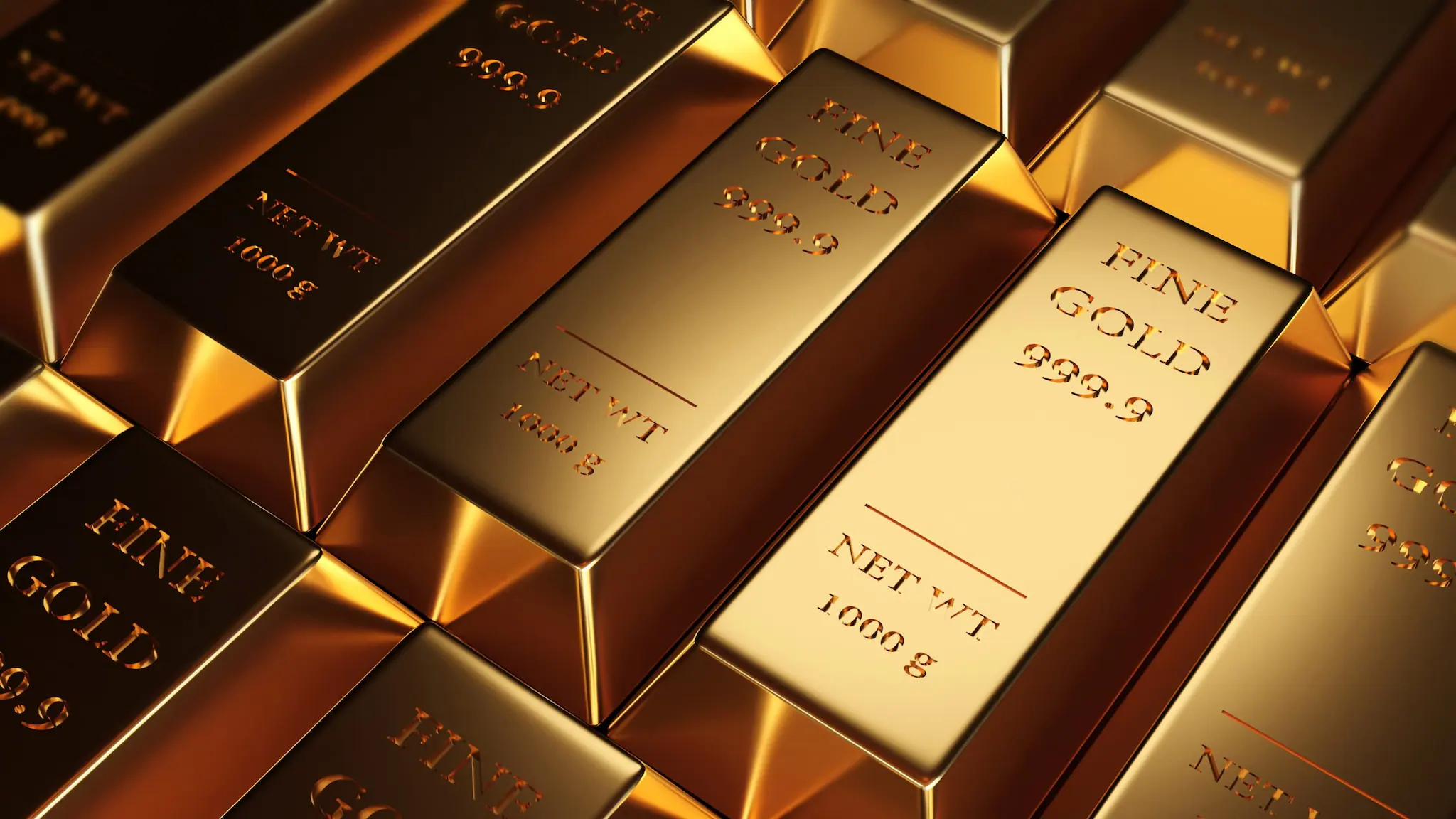
Gold prices are projected to climb to $6,300 an ounce by the end of 2026 as sustained buying by central banks and steady investor demand reinforce a longer-running shift away from paper assets, according to fresh market forecasts that underline the metal’s renewed strategic role in global portfolios.
The outlook, set out by J. P. Morgan in a client note, points to central banks purchasing about 800 tonnes of gold in 2026, a pace that would keep official-sector demand well above historical averages. The bank frames this as part of an “unexhausted” reserve-diversification trend, arguing that monetary authorities continue to rebalance away from heavy reliance on the US dollar and other major reserve currencies.
Market participants say the forecast reflects how gold has moved from being a tactical hedge to a structural allocation for both sovereigns and private investors. Gold’s long-run ascent reflects diversification pressures, a theme echoed across commodities research as geopolitical fragmentation, sanctions risk and fiscal strain reshape reserve management and asset allocation.
Central-bank buying has been a defining feature of the bullion market over the past several years. Monetary authorities across Asia, the Middle East and parts of Eastern Europe have steadily increased their holdings, seeking assets perceived as politically neutral and free of counterparty risk. Analysts note that this behaviour has persisted despite fluctuations in price and shifts in interest-rate expectations, suggesting motivations that extend beyond short-term valuation.
J. P. Morgan’s note argues that the drivers behind this demand remain firmly in place. It highlights a “clean, structural” diversification trend supported by concerns over long-term currency debasement, elevated public debt in advanced economies and a broader reassessment of reserve adequacy following episodes of financial sanctions. Even episodes of near-term volatility, the bank said, have not undermined its medium-term conviction.
Investor behaviour has followed a similar pattern. Exchange-traded funds backed by physical gold have seen inflows during periods of market stress, while high-net-worth and institutional investors have increased allocations as a hedge against macro uncertainty. Strategists point out that gold’s appeal has broadened beyond inflation protection to include resilience against geopolitical shocks and financial-system risk.
The bank’s bullish stance also rests on what it describes as a regime of real-asset outperformance relative to paper assets. In this framework, commodities, infrastructure and hard assets benefit from supply constraints and long investment cycles, while traditional financial assets face headwinds from tighter regulation, rising issuance and concerns over long-term returns. Gold, with its limited supply growth and deep liquidity, is positioned as a primary beneficiary.
Price action over the past year has underscored both the metal’s momentum and its sensitivity to macro signals. Gold has traded through bouts of sharp swings as markets recalibrated expectations for monetary policy, currency strength and global growth. Yet each pullback has drawn buying interest, reinforcing the view among traders that a higher trading range is forming.
Some analysts caution that forecasts such as $6,300 an ounce assume that central-bank demand remains resilient even if global growth improves or financial conditions ease. A sharp reversal in reserve-management strategies or a sustained strengthening of major currencies could temper upside momentum. Others flag that elevated prices may encourage some official holders to slow purchases or engage in tactical selling.
Still, the balance of opinion in the market leans towards continued support. Supply growth from mining remains constrained by rising costs, regulatory hurdles and long project lead times. Recycling provides some flexibility, but not enough to offset large-scale official-sector accumulation. Against that backdrop, even moderate investment inflows can have an outsized impact on prices.
The projection also carries implications for currency markets and monetary policy debates. Persistent gold buying by central banks is often read as a signal of declining confidence in fiat currencies’ long-term purchasing power. While officials rarely frame purchases in those terms, the aggregate trend feeds into broader discussions about the future composition of global reserves and the evolving architecture of the international monetary system.
The article Gold seen climbing towards $6,300 by 2026 appeared first on Arabian Post.
What's Your Reaction?