






























India’s refiners signal need for wind-down period on Russia oil imports
Arabian Post Staff -Dubai Major refiners based in New Delhi have signalled that transitioning away from Russian crude will require an orderly wind-down period before imports can be fully halted, even as leaders from the United States and India have proclaimed a landmark trade agreement that hinges on this shift. Refineries say they are bound by previously booked cargoes set to load and arrive over the coming […] The article India’s refiners signal need for wind-down period on Russia oil imports appeared first on Arabian Post.

Arabian Post Staff -Dubai
Major refiners based in New Delhi have signalled that transitioning away from Russian crude will require an orderly wind-down period before imports can be fully halted, even as leaders from the United States and India have proclaimed a landmark trade agreement that hinges on this shift. Refineries say they are bound by previously booked cargoes set to load and arrive over the coming weeks, creating operational and contractual constraints that cannot be unwound instantaneously. Two industry sources, speaking on condition of anonymity, indicated that existing deals for February and March deliveries will need to be honoured, and that authorities have not yet issued formal orders to cease imports from Moscow.
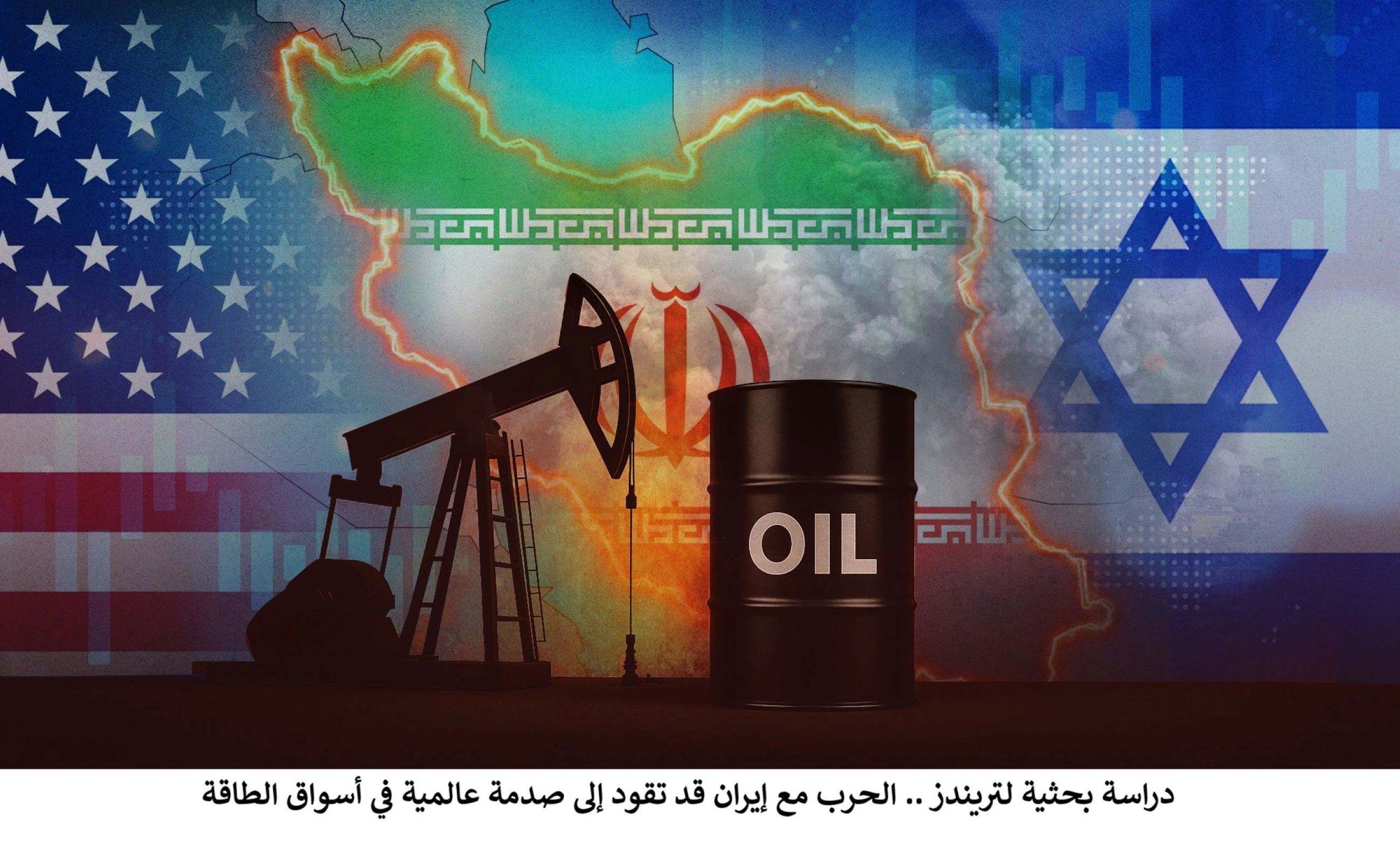
The issue has emerged as the focus of a wider diplomatic and commercial accord between U. S. President Donald Trump and Prime Minister Narendra Modi, in which tariff reductions were offered in exchange for New Delhi’s commitment to end purchases of Russian oil. Trump announced the deal via social media after phone discussions with Modi, stating that U. S. tariffs on Indian goods would be cut from 25 per cent to 18 per cent and punitive levies linked to Russia trade would be withdrawn. He framed the oil shift as part of a strategic alignment, noting that India would buy more U. S. energy, including oil and coal, and could explore Venezuelan crude as an alternative supply source. Modi described the tariff reduction as beneficial for Indian exports, emphasising its potential to boost “Made in India” products globally.
Industry executives caution that the practicalities of global oil logistics and contract law mean that crude shipments already under contract cannot be scrapped without incurring penalties or supply shortages. India emerged as a major destination for discounted Russian crude following the upheaval triggered by the conflict in Ukraine, often importing hundreds of thousands of barrels per day, a reliance that has only been aggravated by geopolitical sanctions and market shifts over recent years. With tankers taking weeks to transit key routes such as the Suez Canal, planners within the refining sector emphasise the need for clear timelines and guidance from policymakers before restructuring purchase portfolios.
The wind-down challenge is especially acute for some private refiners, notably those with longstanding purchase agreements with Russian suppliers. For example, one of the country’s biggest refining complexes had previously relied on long-term contracts that now face renegotiation or termination under evolving trade pressures. While some companies have already adjusted their procurement strategies—shifting to Middle Eastern, African or North American crude grades to ensure feedstock continuity—others argue that a phased reduction is the only commercially viable path forward absent legal liabilities.
New Delhi’s broader strategy appears to blend diversification with diplomatic hedging. Government officials have underscored the importance of expanding ties across multiple energy suppliers, including boosting imports from the Gulf and Africa, and exploring arrangements that would see Venezuelan crude enter the Indian market pending regulatory clearances. With Russia having supplied significant volumes of oil at steep discounts between 2022 and 2025, industry analysts note that managing the shift without disrupting fuel markets at home will require careful calibration.
Crucially, the apparent oil pact in the Trump-Modi dialogue has not been codified in publicly accessible treaties or regulatory rulings, leaving sector players to interpret evolving policy signals. Officials from refining giants have so far declined to comment directly on precise end dates for Russian crude imports, and government ministries have maintained a public silence on operational directives. Observers suggest that the refinement of policy details will depend heavily on upcoming talks between trade and energy officials in Washington and New Delhi, where timelines for reducing Russian crude to negligible levels are expected to be a central point of negotiation.
The article India’s refiners signal need for wind-down period on Russia oil imports appeared first on Arabian Post.
What's Your Reaction?