

























Heart, liver 'live' outside body as UAE unveils new system for donor organs
When a donor organ becomes available, time is often the biggest enemy. For patients waiting in UAE hospitals and around the world, every hour can determine whether a transplant succeeds or fails.This week in Dubai, health leaders revealed a breakthrough that could change that race against time.Announced at the World Health Expo (WHX) 2026, the UAE has introduced an advanced ‘organ perfusion technology’ project under the national organ donation programme, Hayat, through the unified platform Emirates Health.Stay up to date with the latest news. Follow KT on WhatsApp Channels.The technology keeps organs functioning outside the body by circulating blood or nutrient-rich solutions while maintaining optimal oxygen levels and temperature — buying precious time for patients and doctors alike.Instead of being stored passively on ice, organs such as hearts and livers are kept in a “living” state, allowing doctors to assess their condition before surgery. This not only improves transplant readiness but also significantly boosts outcomes, especially for patients whose lives depend on a successful match.A ‘living’ environment for donor organsThe perfusion device acts like a miniature circulatory system. It simulates how blood flows, how oxygen is absorbed, and how the organ responds biologically — all before it reaches the operating theatre.This means surgeons can now monitor functional performance indicators, measure fluid flow, and even re-evaluate organs that were previously considered unsuitable.As a result, more organs can be used safely, expanding the pool of transplant recipients and offering hope to families who once feared there were no options left.Extending time, expanding possibilitiesDr Amin Hussein Al Amiri, Assistant Undersecretary for the Health Regulation Sector at MoHAP, said the technology has a major logistical advantage, especially for a country that serves as a global healthcare hub.“This advanced technology extends the safe transport time of organs between cities and countries and improves their preservation quality,” he stressed, adding that it “enhances opportunities for regional and international collaboration in organ exchange.”He noted that this flexibility supports cross-border procedures and strengthens partnerships between healthcare and research institutions, while also fostering integration between legislation, medical teams, and smart technologies.At its core, he said, the project “reinforces the culture of organ donation as a profound humanitarian value and renews hope for patients with organ failure and their families.”Dubai Ruler visited World Health Expo (WHX) 2026 and talked to top health officials Smarter systems, stronger outcomesBeyond saving lives, the technology is also designed to make the healthcare system more efficient.Dr Al Amiri highlighted how it could transform hospital operations and resource planning.“Integrating smart perfusion devices into the services provided by the National Centre to regulate Human Organs and Tissues Transplantation would further enhance the sustainability of the healthcare system,” he said, while also helping “improve the efficiency of medical resource allocation.”He added that the technology allows for “more accurate organ assessment and improved logistical planning for transplant procedures,” which in turn eases pressure on healthcare facilities.“This technological shift also supports the healthcare innovation pathway, while reaffirming the nation's commitment to adopting modern technologies and artificial intelligence in therapeutic and preventive fields,” Dr Al Amiri noted.Precision medicine at the national levelAlongside the organ perfusion project, MoHAP also showcased the National Genome System at the Emirates Health platform — an ambitious national framework aimed at building and analysing a comprehensive genetic database.The system supports prevention, diagnosis and treatment through a precision medicine approach, helping assess risks linked to genetic and chronic diseases and guiding doctors towards the most suitable therapies based on advanced scientific methods.Abu Dhabi launches pilot project to transport blood samples via dronesNew UAE law allows animal-based, lab-grown organ transplants with strict rules
When a donor organ becomes available, time is often the biggest enemy. For patients waiting in UAE hospitals and around the world, every hour can determine whether a transplant succeeds or fails.
This week in Dubai, health leaders revealed a breakthrough that could change that race against time.
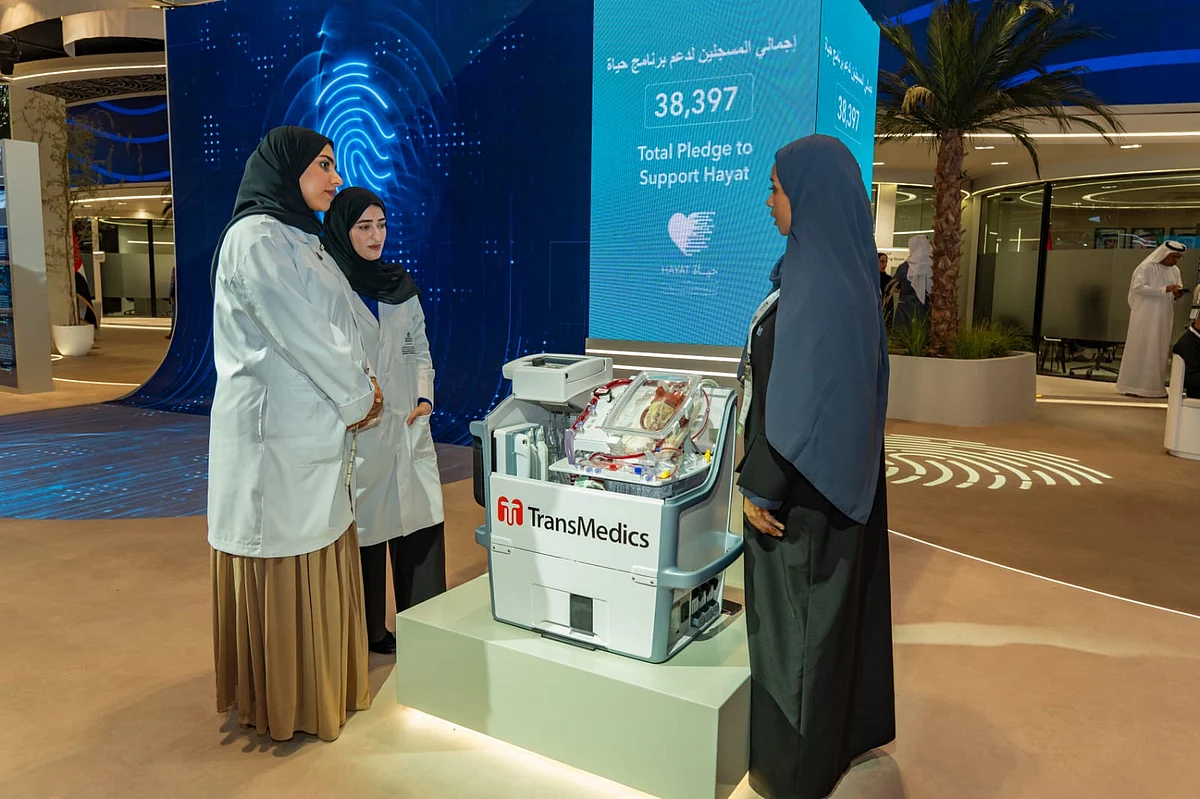
Announced at the World Health Expo (WHX) 2026, the UAE has introduced an advanced ‘organ perfusion technology’ project under the national organ donation programme, Hayat, through the unified platform Emirates Health.
Stay up to date with the latest news. Follow KT on WhatsApp Channels.
The technology keeps organs functioning outside the body by circulating blood or nutrient-rich solutions while maintaining optimal oxygen levels and temperature — buying precious time for patients and doctors alike.
Instead of being stored passively on ice, organs such as hearts and livers are kept in a “living” state, allowing doctors to assess their condition before surgery. This not only improves transplant readiness but also significantly boosts outcomes, especially for patients whose lives depend on a successful match.
A ‘living’ environment for donor organs
The perfusion device acts like a miniature circulatory system. It simulates how blood flows, how oxygen is absorbed, and how the organ responds biologically — all before it reaches the operating theatre.
This means surgeons can now monitor functional performance indicators, measure fluid flow, and even re-evaluate organs that were previously considered unsuitable.
As a result, more organs can be used safely, expanding the pool of transplant recipients and offering hope to families who once feared there were no options left.
Extending time, expanding possibilities
Dr Amin Hussein Al Amiri, Assistant Undersecretary for the Health Regulation Sector at MoHAP, said the technology has a major logistical advantage, especially for a country that serves as a global healthcare hub.
“This advanced technology extends the safe transport time of organs between cities and countries and improves their preservation quality,” he stressed, adding that it “enhances opportunities for regional and international collaboration in organ exchange.”
He noted that this flexibility supports cross-border procedures and strengthens partnerships between healthcare and research institutions, while also fostering integration between legislation, medical teams, and smart technologies.
At its core, he said, the project “reinforces the culture of organ donation as a profound humanitarian value and renews hope for patients with organ failure and their families.” Dubai Ruler visited World Health Expo (WHX) 2026 and talked to top health officials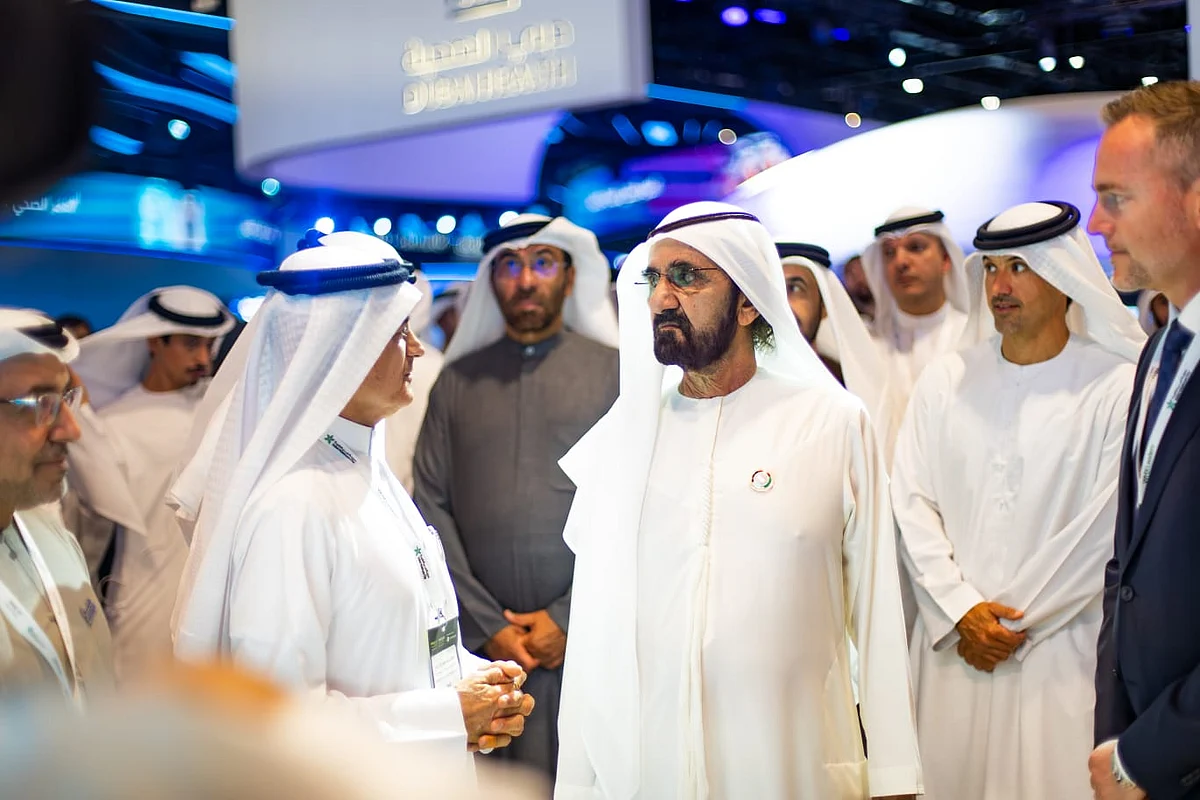
Smarter systems, stronger outcomes
Beyond saving lives, the technology is also designed to make the healthcare system more efficient.
Dr Al Amiri highlighted how it could transform hospital operations and resource planning.
“Integrating smart perfusion devices into the services provided by the National Centre to regulate Human Organs and Tissues Transplantation would further enhance the sustainability of the healthcare system,” he said, while also helping “improve the efficiency of medical resource allocation.”
He added that the technology allows for “more accurate organ assessment and improved logistical planning for transplant procedures,” which in turn eases pressure on healthcare facilities.
“This technological shift also supports the healthcare innovation pathway, while reaffirming the nation's commitment to adopting modern technologies and artificial intelligence in therapeutic and preventive fields,” Dr Al Amiri noted.
Precision medicine at the national level
Alongside the organ perfusion project, MoHAP also showcased the National Genome System at the Emirates Health platform — an ambitious national framework aimed at building and analysing a comprehensive genetic database.
The system supports prevention, diagnosis and treatment through a precision medicine approach, helping assess risks linked to genetic and chronic diseases and guiding doctors towards the most suitable therapies based on advanced scientific methods.
What's Your Reaction?