



















How winter vs summer Ramadan fasting impacts your health
While people fast for various reasons—from weight loss to metabolic health—millions of Muslims worldwide prepare to do so on religious grounds during the holy month of Ramadan. However, Ramadan fasting is not a static experience; because the Islamic Hijri calendar follows the lunar cycle, so the start date shifts backwards through the Gregorian calendar by roughly 11 days each year.Ramadan 2026 is expected to commence either on February 18 or 19, depending on the crescent moon sighting. For the Northern Hemisphere, this means another year of winter fasting. But how exactly does the season change the toll of fasting on the body?Summer fastingFasting in the summer is generally considered the hard mode. This is due to many factors, including longer fasting days, hydration battle and low energy levels.Stay up to date with the latest news. Follow KT on WhatsApp Channels.Depending on latitude, summer days can result in fasts lasting up to 20 hours in some places. This leaves a very narrow window for eating and sleeping, which may result in fatigue and headaches.Ramadan Prayer Timetable 2026According to the Cleveland Clinic, water is especially essential to our bodies in warm weather, as it keeps the body from overheating. The main way the body discards heat in warm weather is through sweat. As sweat evaporates, it cools the tissues beneath. Lots of sweating reduces the body’s water level, and this loss of fluid affects normal bodily functions.In addition to this, high temperatures can make your energy levels dip dramatically. Doing manual labour or exercising in the midday sun while fasting requires serious caution.Those who fast during summer are advised to prioritise water-rich foods, like watermelon, cucumber, and yoghurt. Avoid salty foods that will make you thirsty the next day.Winter fastingAlthough winter fasting is generally seen as the easy mode, it still comes with its own challenges.With the sun setting early in winter days, the fasting duration is significantly shorter—often just 10 to 12 hours.However, cold weather naturally makes the body crave calories to maintain its core temperature. That’s why one might feel hungrier even though the fast is shorter.Besides the calorie cravings, and because people do not sweat much in winter, it’s easy to forget to drink water during non-fasting hours, which can lead to what is known as "silent" dehydration and headaches.Those who fast in winter are urged to focus on warm, nutrient-dense soups and stews during their eating window to help raise their body temperature and make them feel full for longer periods of time.Back to summerBecause Ramadan moves backwards by about 11 days every year, it will slowly transition through the seasons. Here’s when it will occur throughout the coming years until it returns to the summer months:2026–2030 (Winter): Ramadan will fall in February, January, and December.2031 – 2038 (Autumn): Ramadan will move into November, October, and September.2039 (back to summer): Ramadan will re-enter the summer window, beginning in August 2039.Double RamadanThe holy month of Ramadan takes about 33 years to complete a full cycle through every season of the Gregorian calendar. Every year, Ramadan shifts several days behind, since the Hijri calendar is that many days shorter than the Gregorian calendar.Consisting of 354 or 355 days, it takes over three decades to completely transition through every season—spring, summer, autumn, winter.In the year 2030, Ramadan will happen twice in one Gregorian year—once in January and again in late December, much to the delight of faithful Muslims who await the holy month eagerly every year.Ramadan 2026: Which countries will witness the longest, shortest fasting hours?From 3 Eids in 2033 to first White House iftar: 8 Ramadan facts you did not knowRamadan 2026 fasting hours in UAE: A week-by-week guide
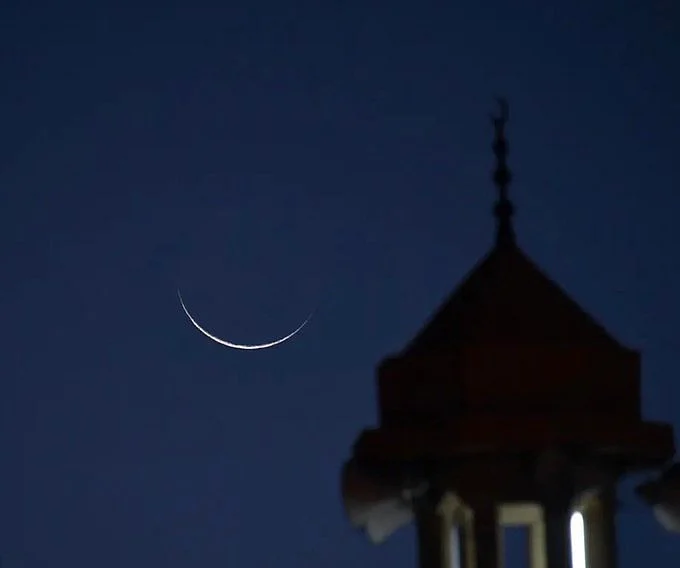
While people fast for various reasons—from weight loss to metabolic health—millions of Muslims worldwide prepare to do so on religious grounds during the holy month of Ramadan. However, Ramadan fasting is not a static experience; because the Islamic Hijri calendar follows the lunar cycle, so the start date shifts backwards through the Gregorian calendar by roughly 11 days each year.
Ramadan 2026 is expected to commence either on February 18 or 19, depending on the crescent moon sighting. For the Northern Hemisphere, this means another year of winter fasting. But how exactly does the season change the toll of fasting on the body?
Summer fasting
Fasting in the summer is generally considered the hard mode. This is due to many factors, including longer fasting days, hydration battle and low energy levels.
Stay up to date with the latest news. Follow KT on WhatsApp Channels.
Depending on latitude, summer days can result in fasts lasting up to 20 hours in some places. This leaves a very narrow window for eating and sleeping, which may result in fatigue and headaches.Ramadan Prayer Timetable 2026
According to the Cleveland Clinic, water is especially essential to our bodies in warm weather, as it keeps the body from overheating. The main way the body discards heat in warm weather is through sweat. As sweat evaporates, it cools the tissues beneath. Lots of sweating reduces the body’s water level, and this loss of fluid affects normal bodily functions.
In addition to this, high temperatures can make your energy levels dip dramatically. Doing manual labour or exercising in the midday sun while fasting requires serious caution.
Those who fast during summer are advised to prioritise water-rich foods, like watermelon, cucumber, and yoghurt. Avoid salty foods that will make you thirsty the next day.
Winter fasting
Although winter fasting is generally seen as the easy mode, it still comes with its own challenges.
With the sun setting early in winter days, the fasting duration is significantly shorter—often just 10 to 12 hours.
However, cold weather naturally makes the body crave calories to maintain its core temperature. That’s why one might feel hungrier even though the fast is shorter.
Besides the calorie cravings, and because people do not sweat much in winter, it’s easy to forget to drink water during non-fasting hours, which can lead to what is known as "silent" dehydration and headaches.
Those who fast in winter are urged to focus on warm, nutrient-dense soups and stews during their eating window to help raise their body temperature and make them feel full for longer periods of time.
Back to summer
Because Ramadan moves backwards by about 11 days every year, it will slowly transition through the seasons. Here’s when it will occur throughout the coming years until it returns to the summer months:
2026–2030 (Winter): Ramadan will fall in February, January, and December.
2031 – 2038 (Autumn): Ramadan will move into November, October, and September.
2039 (back to summer): Ramadan will re-enter the summer window, beginning in August 2039.
Double Ramadan
The holy month of Ramadan takes about 33 years to complete a full cycle through every season of the Gregorian calendar. Every year, Ramadan shifts several days behind, since the Hijri calendar is that many days shorter than the Gregorian calendar.
Consisting of 354 or 355 days, it takes over three decades to completely transition through every season—spring, summer, autumn, winter.
In the year 2030, Ramadan will happen twice in one Gregorian year—once in January and again in late December, much to the delight of faithful Muslims who await the holy month eagerly every year.
What's Your Reaction?