

































UAE to impose up to Dh100,000 fine for retailers hiking prices during Ramadan
The UAE Ministry of Economy and Tourism will impose fines of up to Dh100,000 for retailers who violate the policy ensuring no price hikes take place during Ramadan. Depending on the type of violation, measures may include issuing a written warning and granting the violator a deadline to rectify the situation or imposing hefty fines starting from Dh500 and reaching up to Dh100,000. Other administrative actions may also be considered, such as the temporary closure of the establishment for varying periods. In severe cases or upon repeated violations, stricter measures proportionate to the gravity of the violation may be implemented.Stay up to date with the latest news. Follow KT on WhatsApp Channels.Speaking at a media briefing on Wednesday, Abdulla bin Touq Al Marri, Minister of Economy and Tourism, commented that some retailers attempted to bypass the law, providing false information between the suppliers and goods so that they can increase the price. The new pricing policy, which was introduced in January 2025, allows consumers to raise complaints about price hikes for nine essential items, as well as for retailers to apply for price increase requests. These include eggs, poultry, cooking oils, sugar, dairy, legumes, bread, wheat, and rice.New requests are only invoked six months after the date of the last approval to make sure retailers don’t take advantage of the system, and consumer rights remain protected. Complaints and violations In 2025, the Ministry recorded 3,167 complaints and 7,702 violations related to price hikes as the UAE gears up for stable prices during Ramadan. Al Marri added in the briefing that the Ministry received over 3,167 complaints via its website in the last year, 93.9 per cent of which were resolved in a matter of four days on average. He also announced that inspections will continue during the entire month of Ramadan to ensure prices for these essential items remain stable throughout, unless retailers receive prior approval from the Ministry. In the past year, the Ministry worked with municipalities across the country and conducted a total of 155,218 inspection tours, which resulted in 7,702 violations. As part of these regular tours, they monitored the placement of price labels, the quality of the products, and made sure retailers weren’t committing commercial fraud or infringing trademarks. The Ministry’s digital price monitoring system is linked to 627 major retail outlets, including cooperatives, hypermarkets, and large stores, which represent over 90 per cent of the domestic trade volume of essential goods across the country. According to the Ministry, this will play a pivotal role in directly monitoring prices during Ramadan.UAE to monitor food price hikes during Ramadan 2026; fines for violatorsDubai intensifies Ramadan inspections in restaurants, malls, cafes to ensure food safety
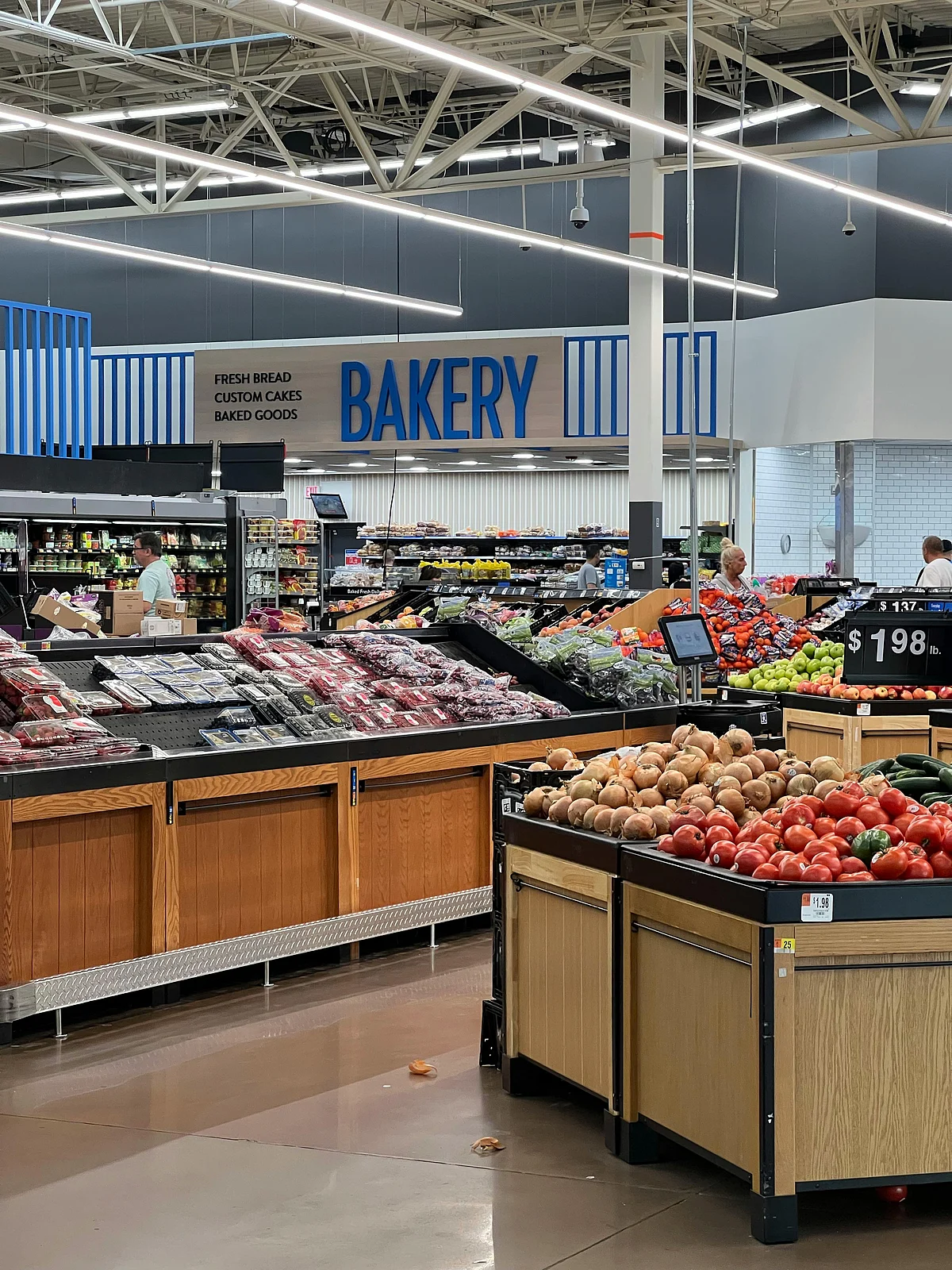
The UAE Ministry of Economy and Tourism will impose fines of up to Dh100,000 for retailers who violate the policy ensuring no price hikes take place during Ramadan.
Depending on the type of violation, measures may include issuing a written warning and granting the violator a deadline to rectify the situation or imposing hefty fines starting from Dh500 and reaching up to Dh100,000.
Other administrative actions may also be considered, such as the temporary closure of the establishment for varying periods. In severe cases or upon repeated violations, stricter measures proportionate to the gravity of the violation may be implemented.
Stay up to date with the latest news. Follow KT on WhatsApp Channels.
Speaking at a media briefing on Wednesday, Abdulla bin Touq Al Marri, Minister of Economy and Tourism, commented that some retailers attempted to bypass the law, providing false information between the suppliers and goods so that they can increase the price.
The new pricing policy, which was introduced in January 2025, allows consumers to raise complaints about price hikes for nine essential items, as well as for retailers to apply for price increase requests. These include eggs, poultry, cooking oils, sugar, dairy, legumes, bread, wheat, and rice.
New requests are only invoked six months after the date of the last approval to make sure retailers don’t take advantage of the system, and consumer rights remain protected.
Complaints and violations
In 2025, the Ministry recorded 3,167 complaints and 7,702 violations related to price hikes as the UAE gears up for stable prices during Ramadan.
Al Marri added in the briefing that the Ministry received over 3,167 complaints via its website in the last year, 93.9 per cent of which were resolved in a matter of four days on average.
He also announced that inspections will continue during the entire month of Ramadan to ensure prices for these essential items remain stable throughout, unless retailers receive prior approval from the Ministry.
In the past year, the Ministry worked with municipalities across the country and conducted a total of 155,218 inspection tours, which resulted in 7,702 violations. As part of these regular tours, they monitored the placement of price labels, the quality of the products, and made sure retailers weren’t committing commercial fraud or infringing trademarks.
The Ministry’s digital price monitoring system is linked to 627 major retail outlets, including cooperatives, hypermarkets, and large stores, which represent over 90 per cent of the domestic trade volume of essential goods across the country.
According to the Ministry, this will play a pivotal role in directly monitoring prices during Ramadan.
What's Your Reaction?