



















Jobs in UAE: AI-skilled employees earn more, but face tighter scrutiny from employers
Jobs in UAE: AI-skilled employees earn more, but face tighter scrutiny from employers

UAE employees equipped with strong artificial intelligence (AI) capabilities earn higher salaries, but employers are tightening scrutiny and emphasising credential validations when hiring for these roles, say recruiters.
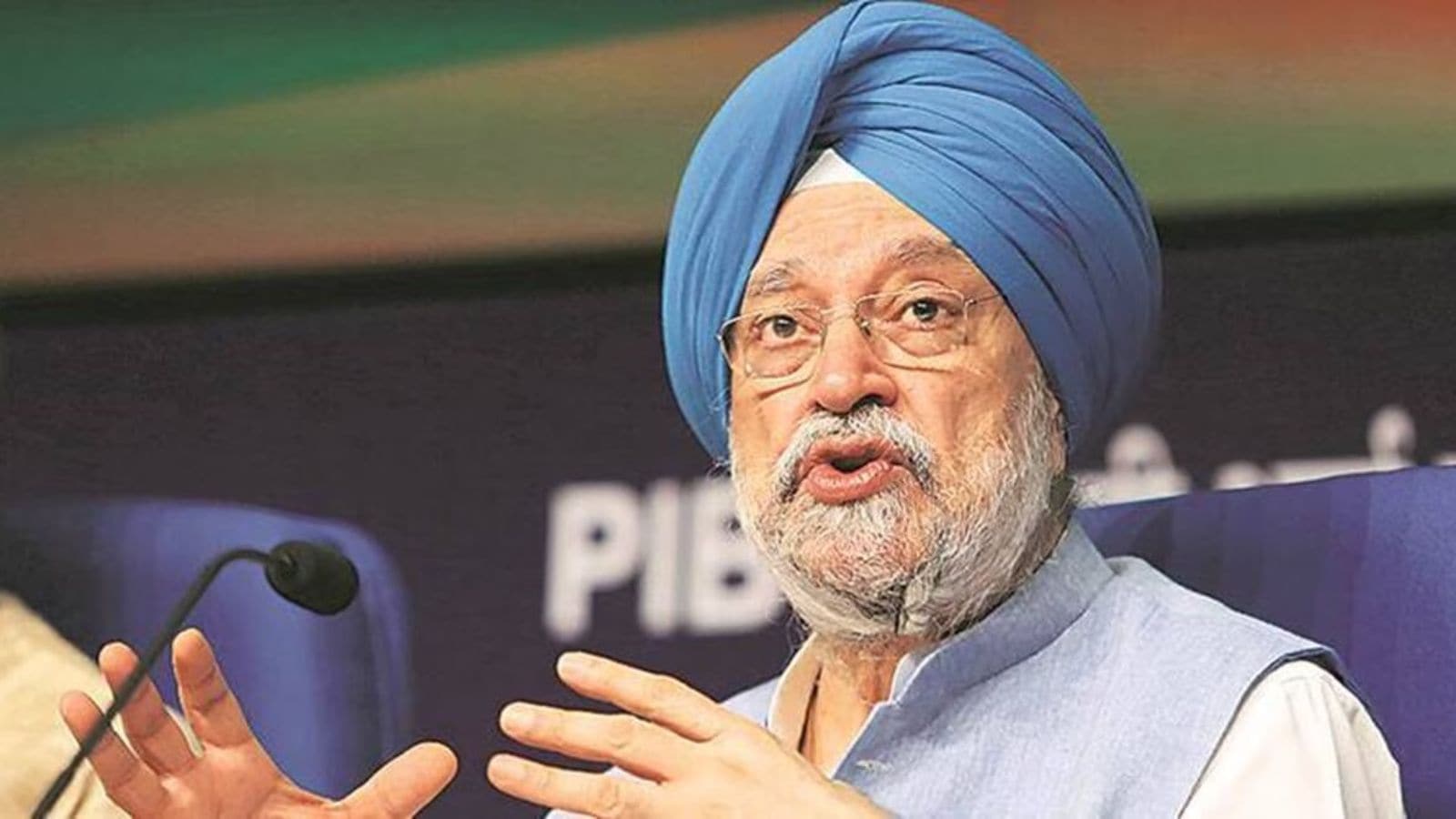
“We are seeing strong demand for candidates with AI capability across sectors such as financial services, aviation, logistics, and professional services in the UAE. Rather than a fixed salary premium, the defining factor is competition — employers are often competing for a limited pool of proven talent. This has accelerated hiring timelines and increased cross-border recruitment, particularly for specialised roles,” said James Randall, Middle East sales director, HireRight.
According to a study by PwC, despite global trends toward skill-based hiring, UAE employers continue to prioritise degrees for roles with higher AI exposure as 84 per cent of AI-exposed job postings in 2024 still require degree qualifications.
Stay up to date with the latest news. Follow KT on WhatsApp Channels.
According to a study by PwC, AI-related job postings in the UAE have doubled from 5,000 to 10,000 between 2021 and 2024. The majority of these 10,000 jobs requiring AI skills in the UAE are in white-collar sectors.
The global consultancy noted that AI job demand is growing two to three times faster in the UAE than overall job postings, signalling accelerated adoption across UAE sectors.
For organisations, he said, the challenge is no longer simply attracting talent, but making fast, accurate, and compliant hiring decisions in a highly competitive market. James Randall
As a result, he said, verification has become even more critical.
“When AI-related skills carry higher commercial value, employers are placing greater emphasis on validating credentials, employment history, and technical experience to ensure they are hiring genuine capability, not just well-presented CVs. This trend reflects broader global patterns. In practical terms, roles that require AI capabilities attract notably higher wage premiums,” Randall told Khaleej Times.
Traditional AI-screen no longer sufficient
As roles become more specialised, accurate screening becomes even more important. In a market like the UAE, employers need confidence that qualifications, experience, and technical claims are legitimate and verifiable before making hiring decisions.
James Randall noted that many organisations are rethinking how they assess candidates for AI-influenced roles.
“Traditional CV screening alone is no longer sufficient, particularly as recruitment becomes more digital and geographically dispersed. Employers are increasingly strengthening identity verification, credential validation, and background screening, especially for remote, cross-border and sensitive roles. While digital hiring improves efficiency, it also increases the risk of misrepresentation and fraud if not properly governed,” he said.
In 2026, according to HireRight, the demand in the UAE is shifting away from purely technical or coding-based roles toward applied AI capabilities that can deliver practical business value.
“Employers are increasingly looking for professionals who can use AI to support decision-making, automation, compliance monitoring, customer experience, and risk management," added Randall.
What's Your Reaction?