

































Non-medical sale of GLP-1 weight-loss drugs on the rise; UAE expert warns of risks
Weight loss drugs now available in UAE outside clinics: Expert warns of risks

Weight-loss injections that were once tightly controlled medical treatments are now being marketed well beyond specialist clinics. With GLP-1 drugs increasingly offered by non-healthcare providers and sold through subscription-style programmes, clinicians say the rush to scale is outpacing the clinical safeguards needed to keep patients safe.
“The meds themselves are not the villain,” said Ali Hashemi, co-founder and CEO of metabolic.health (GluCare). “When they’re prescribed properly, with decent screening and follow-up, they’re among the most meaningful tools we’ve had for metabolic health in a long time. The problem is what happens when people treat them like a convenience product: click, pay, deliver.”
GLP-1 medications have gone mainstream at unprecedented speed, driven by visible weight-loss results and widespread attention on social media. According to Hashemi, this has created a market where demand is high, outcomes appear quickly, and programmes are easy to package as subscriptions — attracting businesses that are not designed to manage long-term medical care.
Stay up to date with the latest news. Follow KT on WhatsApp Channels.
“We’ve seen GLP-1s marketed through a range of non-traditional channels,” he said, including wellness businesses focused on IV drips and aesthetics, online-only subscription programmes with minimal clinical review and informal social media or messaging funnels where the “consultation” is little more than a questionnaire.
In recent weeks, GLP-1 weight-loss services have also appeared in consumer apps better known for home cleaning and spa services, with promotional banners advertising obesity treatment alongside cleaning, salon and maintenance bookings.
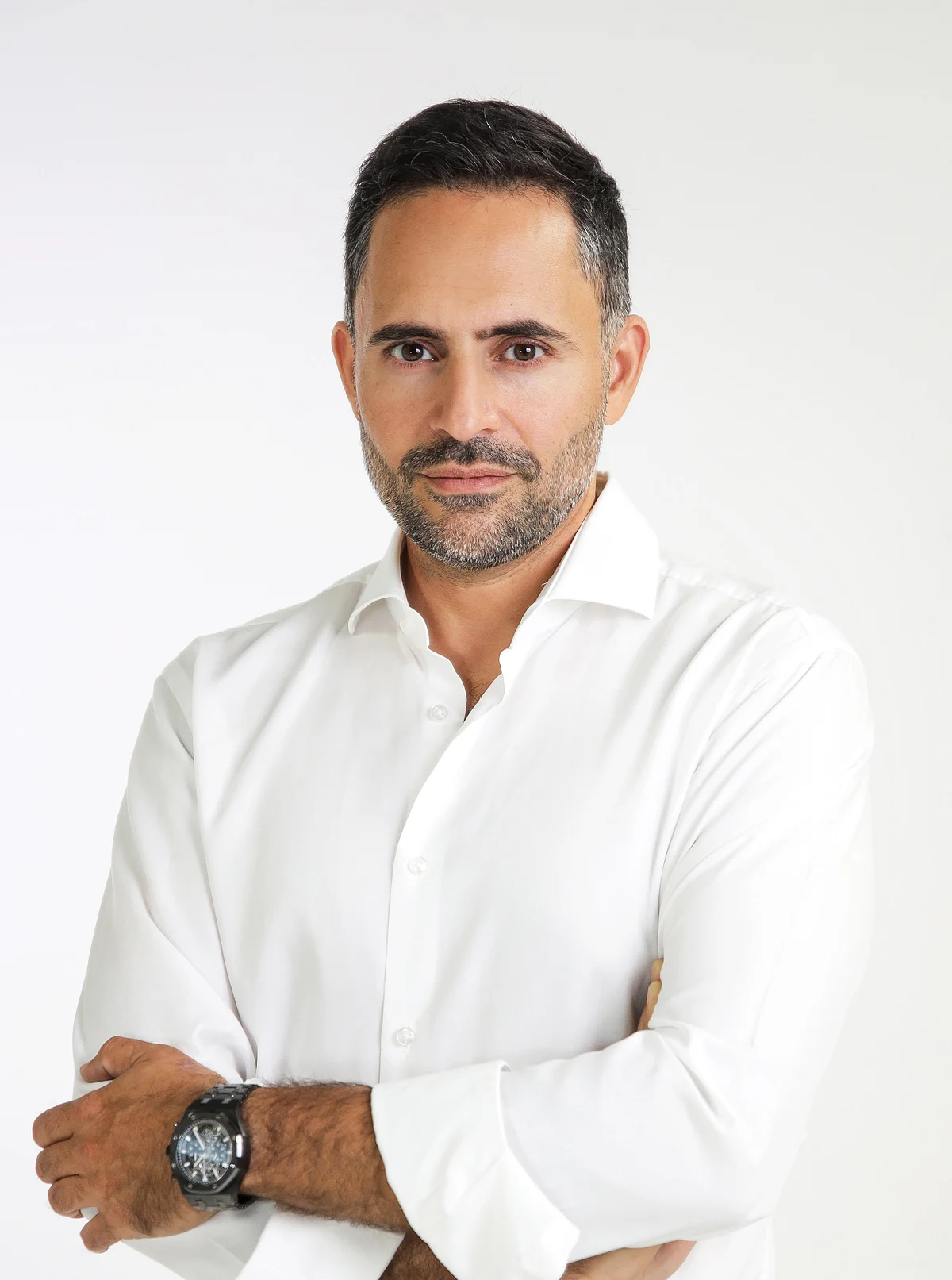
Ali Hashemi
Avoidable setbacks, not rare complications
Hashemi said GluCare has seen patients who experienced avoidable setbacks after starting GLP-1 treatment outside structured medical programmes. The issues, he stressed, are rarely exotic complications.
“They’re practical and avoidable,” he said. “Doses escalated too quickly, inadequate education on side-effect management, limited screening for contraindications, and no real follow-up.”
The result, he said, is often significant nausea, vomiting, dehydration, constipation and fatigue, with some patients also experiencing anxiety and distress because they feel unwell and unsupported.
“What we see is a stop-start pattern,” Hashemi said. “Patients stop because they feel awful, then restart, or bounce between providers trying to find someone who’ll give them a different dose or a different drug. That creates a lot of misery, and it also creates this narrative of ‘it didn’t work for me,’ when what really happened is the care model failed them.”
Muscle loss: the quieter risk
Beyond side effects, Hashemi highlighted muscle loss as an underreported consequence of poorly managed GLP-1 treatment.
“People lose weight quickly and everyone applauds,” he said. “But if the programme isn’t actively focused on protein, resistance training, and preserving lean mass, some patients end up weaker, more fatigued, and with worse body composition than they expected. They’re lighter, but not necessarily healthier.”
He said this is one of the most common elements skipped in fast-scale GLP-1 programmes, despite its importance for long-term metabolic health and physical function.
From clinical discipline to commercial add-on?
Hashemi warned that the current boom risks turning obesity medicine into a bolt-on commercial service rather than a clinical discipline.
“This is a proper clinical discipline, and it should be treated like one,” he said. “If GLP-1s become an ‘add-on service’ rather than part of structured care, we’ll see more side effects, more discontinuation, more rebound weight gain, and more public mistrust — even though the underlying science is strong.”
He added that inconsistent medication sourcing is another growing concern when GLP-1s are offered outside recognised medical and pharmacy channels.
How risks can be missed
Dr Sami Mohammed Yesuf, a certified physician and healthcare management professional, said the main risk does not lie in the drugs themselves but in how programmes are being delivered and monitored.
“The primary risk lies in the delivery model, not the medication,” he said, noting that GLP-1s have a strong safety record when prescribed and managed properly.
Problems arise, he said, when prescription treatments are packaged as consumer services without adequate medical oversight.
“Obesity is a complex, chronic disease,” Dr Yesuf said. “When GLP-1 therapy is delivered outside a proper medical framework, care becomes fragmented and important risks can be missed.” Sami Mohammed Yesuf
He also warned that offering GLP-1s through lifestyle-focused platforms can trivialise treatment.
“Packaging prescription medication alongside everyday services frames it as convenience rather than care,” he said, adding that this can weaken adherence and follow-up.
Dr Yesuf said poor patient experiences could damage confidence in a class of drugs that has transformed obesity treatment.
“When expectations are shaped by marketing rather than medical counselling, disappointment is almost inevitable,” he said. “If patients stop treatment without support and regain weight, these drugs risk being seen as a failed fad rather than a breakthrough.”
He warned that a rise in adverse events linked to unsupervised use could prompt tighter regulation, potentially limiting access for patients who genuinely need the medication.
What responsible care looks like
While critical of retail-style shortcuts, Hashemi said he is not opposed to innovation or non-traditional delivery models. Access, he noted, matters — particularly for patients who have long felt dismissed.
“Telemedicine can be excellent,” he said. “The line is whether the care is accountable. If it’s built like healthcare, with standards, it can scale safely. If it’s built like e-commerce, you eventually get harm.”
According to Hashemi, a serious GLP-1 programme includes basic medical screening, a clear titration plan, early follow-up — particularly in the first eight to 12 weeks — proactive side-effect management, a plan to preserve muscle mass, and a long-term maintenance strategy.
“None of this is glamorous,” he said. “But it’s the difference between safe scale and messy scale.”
For patients considering GLP-1 treatment, he encouraged asking direct questions about who is prescribing the medication, how side effects are managed, how often follow-ups occur, and where the medication is sourced.
“If the answers are vague, or if follow-up isn’t built in, patients should be cautious,” he said.
While the hype around GLP-1s may eventually settle, Hashemi warned that misuse could leave lasting consequences, from avoidable adverse events to widespread mistrust in effective therapies.
“The opportunity here is real,” he said. “But it needs clinical discipline to match the scale of demand.”
What's Your Reaction?